Multi-Family Furniture Procurement: Practical Trends for Operators and Buyers
There is an easy way to get multi-family furniture procurement: practical trends for operators and buyers wrong: start shopping before defining the problem. We take the opposite approach—measure the constraints, write down the use case, then let products compete against the same checklist.
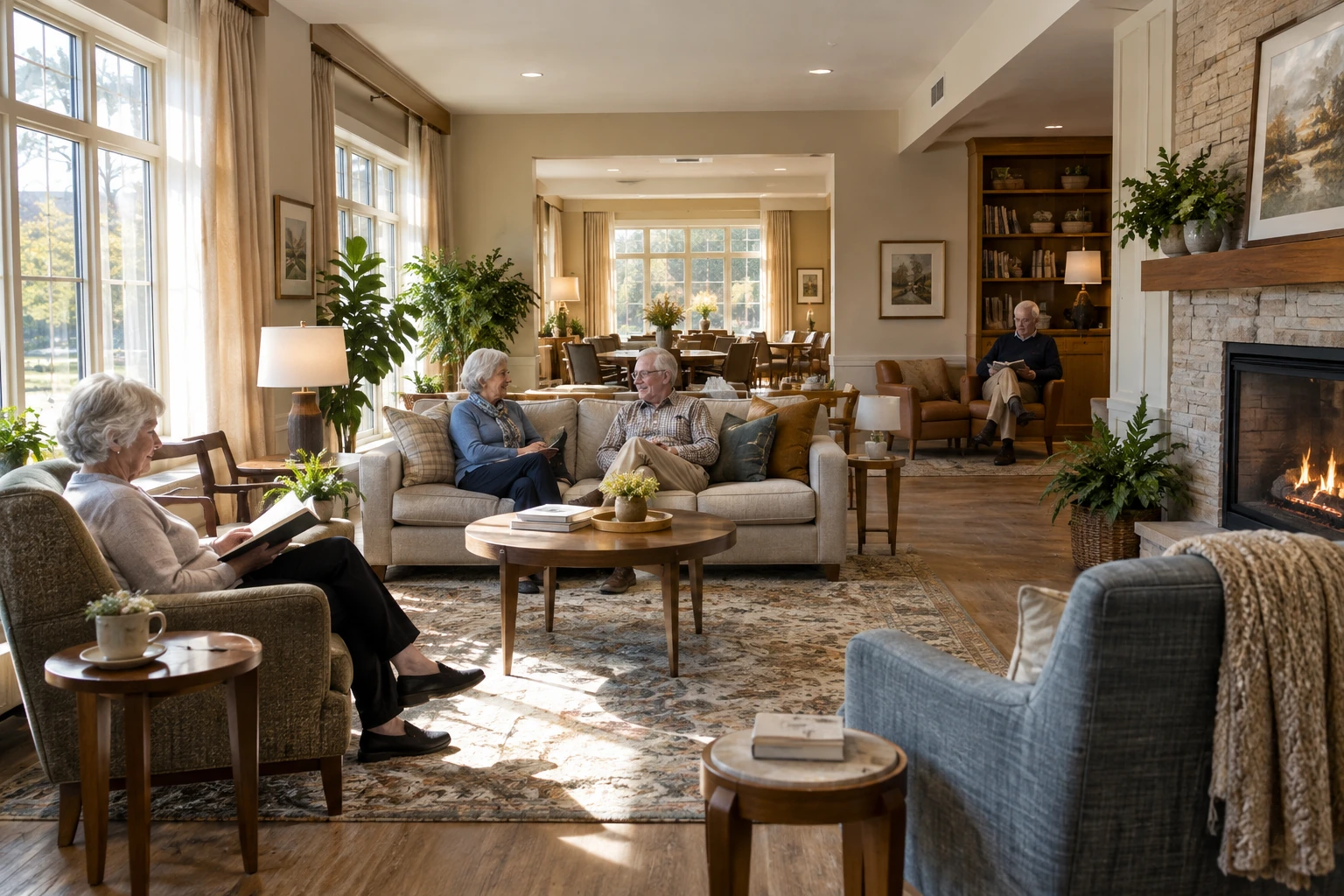
The most useful question we can ask about Multi-Family Furniture Procurement: Practical Trends for Operators and Buyers is not 'what looks best?' It is 'what could make this decision fail after the order is placed?' That changes the conversation from browsing to planning.
You can define the use case and measure the space before shopping.
Projects drift when appearance is chosen before access, operations and replacement planning are settled.
Shared Use, storage, dimensions in writing and responsibility after delivery.
What we found in the public sources
There is no single federal document that tells a furniture buyer what sofa, chair or table to purchase for every senior-living or recovery setting. The reliable sources do something more useful: they define housing models, demographic change, accessibility requirements and consumer-safety responsibilities. Product selection still needs a site-specific layer.
Three signals we are watching
- More emphasis on flexibility. Operators and households increasingly have to accommodate changing occupants, layouts and delivery constraints. That keeps modularity and package size in the conversation.
- Residential look, operational discipline. The design goal may be warmer and less institutional, while the buying process becomes more rigorous about shared use, service and replacement.
- Procurement content is becoming part of sales. Buyers expect dimensions, policies and practical guidance before they contact a vendor. Brands that hide these details create friction.
For multi-family furniture procurement: practical trends for operators and buyers, we treat a trend as a planning signal—not a prediction. It becomes useful only when it appears in real RFQs, delivery records, replacement logs or reader questions.
Conditions that would change this recommendation
Our conclusion on multi-family furniture procurement: practical trends for operators and buyers is conditional. Reopen it when the actual room measurements, delivery route, facility rules, warranty language or a pilot unit gives you better evidence.
Sources & verification notes
We use public sources for definitions, demographics and rules. Product fit still needs project-specific verification.
- Administration for Community Living — Profile of Older AmericansAnnual U.S. demographic reference covering the 65+ population, living arrangements, income and health.
- 2010 ADA Standards for Accessible DesignAccessibility standards covering accessible routes, door clear width, maneuvering clearance and related building requirements where the ADA applies.