How to Control Furniture Costs Across a 100-Unit Senior Living Project
We approached how to control furniture costs across a 100-unit senior living project as an editor and buyer would: what can be verified, what can fail, what deserves a pilot, and where a seller’s marketing claim needs a written specification behind it.
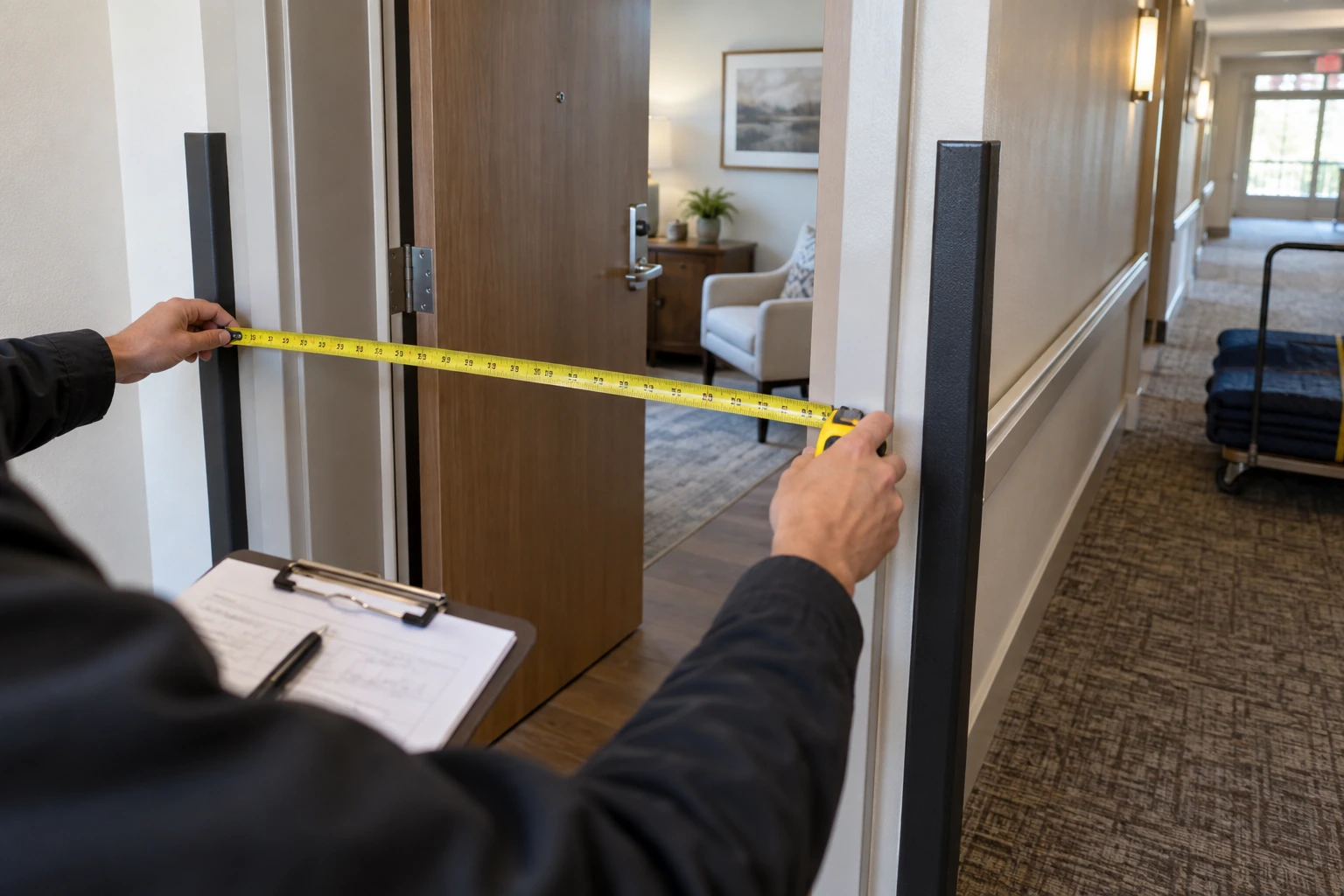
Our editorial instinct on How to Control Furniture Costs Across a 100-Unit Senior Living Project is to start with the boring details first. In real projects, the expensive surprises usually live in a doorway, a freight quote, a return rule or a missing dimension—not in the mood board.
You can define the use case and measure the space before shopping.
Projects drift when appearance is chosen before access, operations and replacement planning are settled.
Unit Price, freight/final mile, dimensions in writing and responsibility after delivery.
Build the decision from landed cost, not the product price
For planning, we use a deliberately plain equation:
For how to control furniture costs across a 100-unit senior living project, unit price is not project cost. Put product, freight, final mile, setup and damage allowance into the landed-cost workbook before comparing options.
The cost question in how to control furniture costs across a 100-unit senior living project compounds across every room. A higher product price can still be rational when it removes a documented delivery or labor problem, so compare system cost on the same quantity and route assumptions.
A supplier question set that produces comparable answers
Subject: Furniture quote request — specifications and delivery details
For how to control furniture costs across a 100-unit senior living project, send every shortlisted supplier the same scope, dimensions, quantity and delivery assumptions. The RFQ brief and scorecard keeps their answers comparable.
Project notes: [quantity] · [ZIP/city] · [delivery window] · [stairs/elevator] · [room/use].
A good RFQ does two jobs: it gives suppliers enough context to quote accurately, and it forces each supplier to answer the same questions. That is how a buyer turns unit price and freight/final mile into comparable data instead of sales talk.
Residential character still needs procurement discipline
In how to control furniture costs across a 100-unit senior living project, the residential character is not decoration. Familiar scale, warm materials and ordinary-looking furniture still have to work with documented dimensions, cleaning routines, access and replacement planning.
Cost takeaway
For how to control furniture costs across a 100-unit senior living project, our recommendation is to make the decision auditable. Keep the measurements, quote, photos and assumptions together. If another person can understand why the product was chosen six months later, the process is probably strong.
Sources & verification notes
We use public sources for definitions, demographics and rules. Product fit still needs project-specific verification.
- National Institute on Aging — Assisted living and nursing homesFederal overview of assisted living, nursing homes and other residential long-term-care settings.
- Administration for Community Living — Profile of Older AmericansAnnual U.S. demographic reference covering the 65+ population, living arrangements, income and health.