Furniture Planning for Memory Care Environments: A Practical Overview
There is an easy way to get furniture planning for memory care environments: a practical overview wrong: start shopping before defining the problem. We take the opposite approach—measure the constraints, write down the use case, then let products compete against the same checklist.
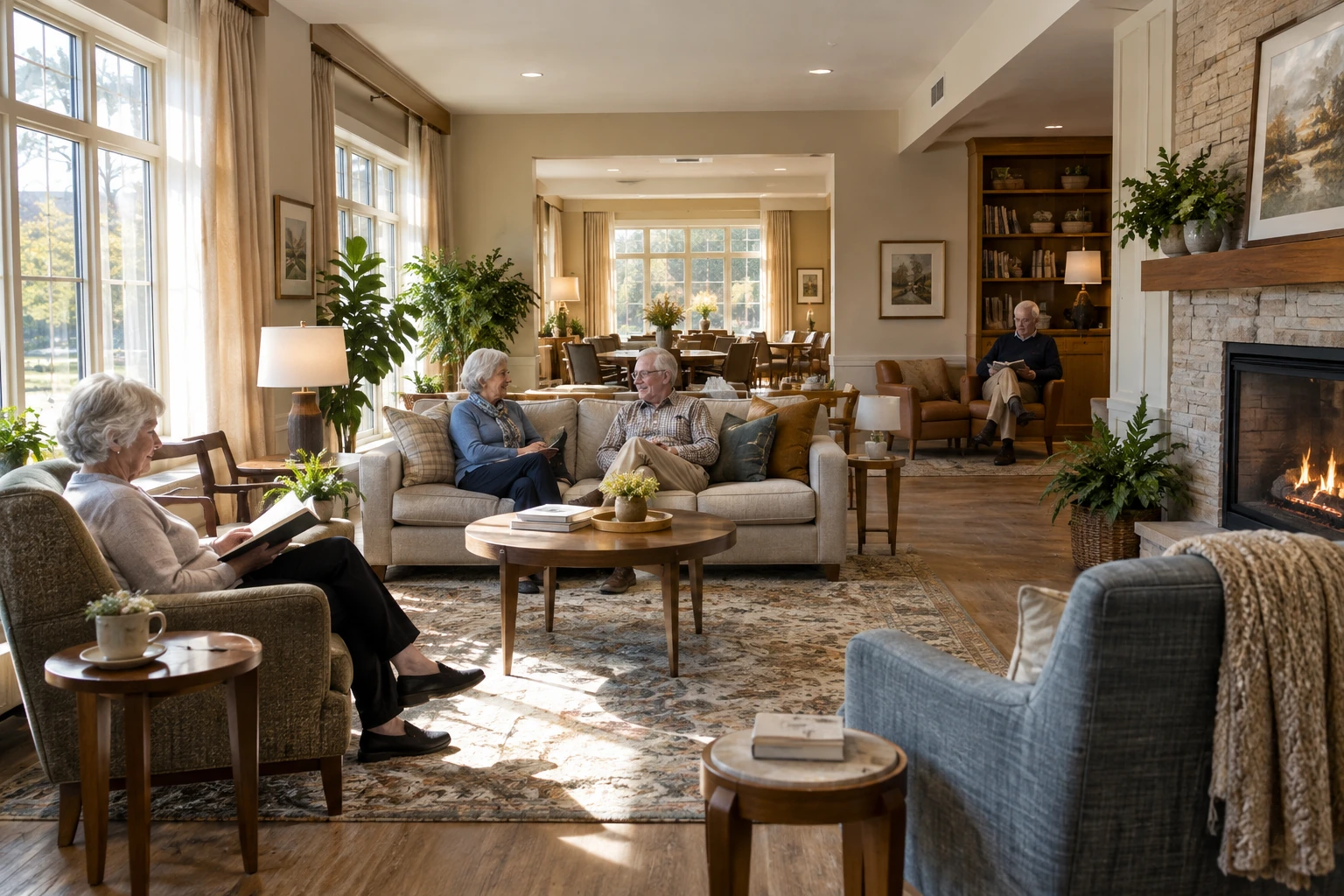
The most useful question we can ask about Furniture Planning for Memory Care Environments: A Practical Overview is not 'what looks best?' It is 'what could make this decision fail after the order is placed?' That changes the conversation from browsing to planning.
You can define the use case and measure the space before shopping.
Projects drift when appearance is chosen before access, operations and replacement planning are settled.
Familiarity, visual simplicity, dimensions in writing and responsibility after delivery.
A memory-care lounge looks beautiful on the rendering, but the facility team flags several decorative pieces that complicate supervision and cleaning. The final plan is visually calmer and easier to operate. The lesson is to let the care team challenge the mood board before purchase orders are issued.
How the housing model changes the room decision
Before acting on furniture planning for memory care environments: a practical overview, walk the real route from curb to room and record the tightest opening, turn, elevator and staging point in the delivery-route field sheet.
What we would photograph
- The tightest doorway and the hinge/handle position.
- Any turn where a long carton or sofa frame has to pivot.
- Outlets, vents, controls and doors that furniture could block.
- The intended seat location from standing and seated eye level.
- The route that must remain clear for normal movement.
For furniture planning for memory care environments: a practical overview, a small, privacy-safe photo set makes later vendor conversations concrete and keeps the team discussing the actual route, room and routine rather than relying on memory.
Memory care requires a facility-specific layer
For memory-care environments, generic home-furnishing advice is not enough. Operators need to account for their residents, staffing model, supervision practices, cleaning protocols, life-safety requirements and local rules. We can discuss layout and procurement, but the facility’s clinical and safety team should own resident-specific decisions.
Conditions that would change this recommendation
Our conclusion on furniture planning for memory care environments: a practical overview is conditional. Reopen it when the actual room measurements, delivery route, facility rules, warranty language or a pilot unit gives you better evidence.
Sources & verification notes
We use public sources for definitions, demographics and rules. Product fit still needs project-specific verification.
- National Institute on Aging — Assisted living and nursing homesFederal overview of assisted living, nursing homes and other residential long-term-care settings.
- Administration for Community Living — Profile of Older AmericansAnnual U.S. demographic reference covering the 65+ population, living arrangements, income and health.