Furniture Combinations for Senior Living Lounges and Social Spaces
There is an easy way to get furniture combinations for senior living lounges and social spaces wrong: start shopping before defining the problem. We take the opposite approach—measure the constraints, write down the use case, then let products compete against the same checklist.
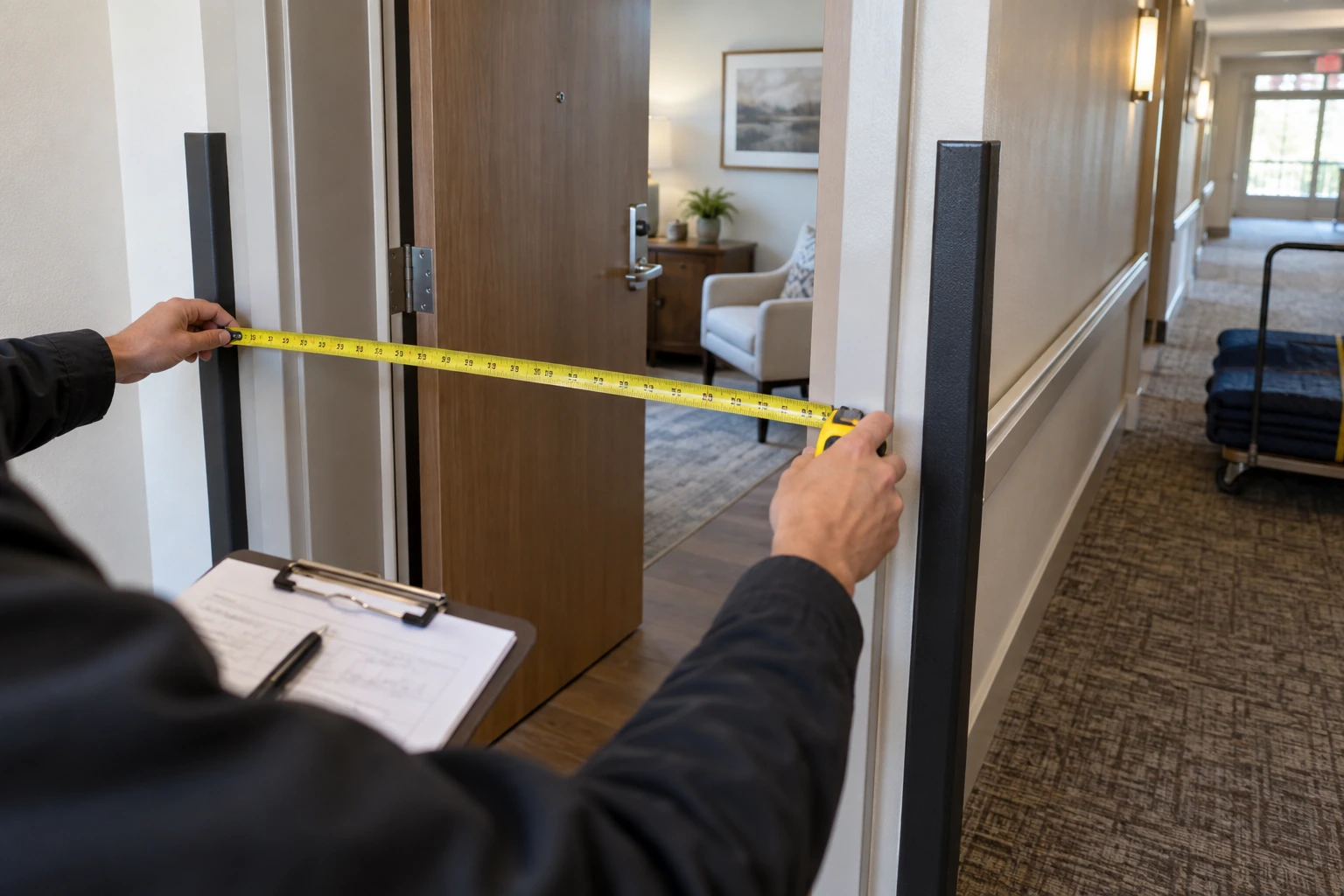
If furniture combinations for senior living lounges and social spaces were on our own shortlist, we would start with the room, routine and delivery constraints—not brand names—and make every candidate clear those gates.
You can define the use case and measure the space before shopping.
Projects drift when appearance is chosen before access, operations and replacement planning are settled.
Residential Feel, access and circulation, dimensions in writing and responsibility after delivery.
Residential character still needs procurement discipline
Before acting on furniture combinations for senior living lounges and social spaces, walk the real route from curb to room and record the tightest opening, turn, elevator and staging point in the delivery-route field sheet.
What we would photograph
- The tightest doorway and the hinge/handle position.
- Any turn where a long carton or sofa frame has to pivot.
- Outlets, vents, controls and doors that furniture could block.
- The intended seat location from standing and seated eye level.
- The route that must remain clear for normal movement.
For furniture combinations for senior living lounges and social spaces, a small, privacy-safe photo set makes later vendor conversations concrete and keeps the team discussing the actual route, room and routine rather than relying on memory.
- Write down the non-negotiable requirement for residential feel.
- Verify access and circulation in writing rather than relying on photos.
- Map the receiving, delivery and installation process before the purchase order is issued.
- Decide who owns damage claims, replacement ordering and warranty follow-up.
- For repeated rooms, create a simple SKU and finish schedule.
- Pilot the highest-risk room or building before scaling the order.
Residential character still needs procurement discipline
In furniture combinations for senior living lounges and social spaces, the residential character is not decoration. Familiar scale, warm materials and ordinary-looking furniture still have to work with documented dimensions, cleaning routines, access and replacement planning.
The next room check
Before expanding the shortlist for furniture combinations for senior living lounges and social spaces, verify the single highest-risk unknown. One measured or documented answer is more valuable than ten extra product tabs.
Sources & verification notes
We use public sources for definitions, demographics and rules. Product fit still needs project-specific verification.
- National Institute on Aging — Assisted living and nursing homesFederal overview of assisted living, nursing homes and other residential long-term-care settings.
- Administration for Community Living — Profile of Older AmericansAnnual U.S. demographic reference covering the 65+ population, living arrangements, income and health.